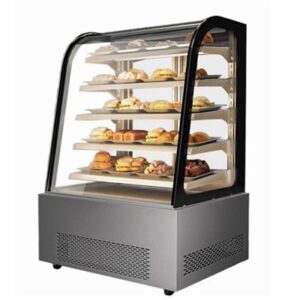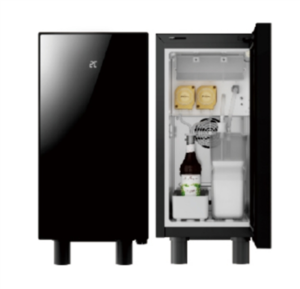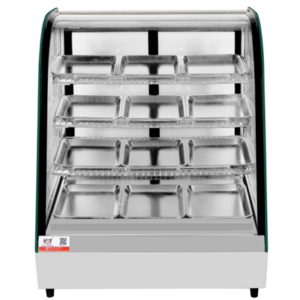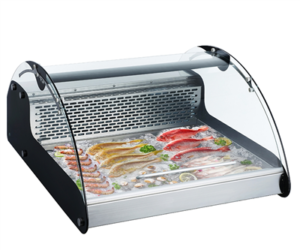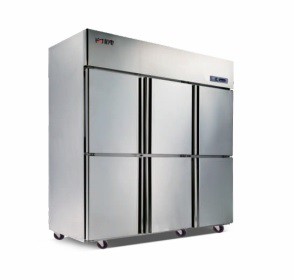
Effective maintenance and care of refrigeration equipment are essential for ensuring operational efficiency, compliance with global standards, and long-term cost savings. For importers, distributors, supermarkets, and small retailers, adopting a proactive approach to refrigeration upkeep minimizes downtime, extends equipment lifespan, and safeguards perishable goods. This guide outlines actionable strategies, compliance considerations, and emerging technologies to optimize refrigeration maintenance.
1. Core Maintenance Procedures
A. Routine Daily and Weekly Tasks
- Surface Cleaning: Use food-safe detergents and microfiber cloths to wipe down shelves, doors, and gaskets daily. Avoid abrasive cleaners that damage surfaces.
- Condenser Coil Maintenance: Clean coils quarterly to prevent dust buildup, which can reduce cooling efficiency by up to 15%.
- Defrosting: Schedule regular defrost cycles to eliminate ice accumulation, a common cause of energy waste and temperature fluctuations.
B. Key Component Inspections
- Door Seals: Test gasket integrity monthly using the “dollar bill method” to ensure airtight closure and prevent cold air leaks.
- Refrigerant Lines: Check for leaks using gas sniffers or UV dye, especially in systems using eco-friendly refrigerants like R290 or CO2.
- Check Valves: Inspect refrigerant access valves (e.g., DXF series) for corrosion or leaks, as faulty valves disrupt pressure balance and cooling performance.
2. Preventive and Predictive Maintenance Strategies
A. Preventive Maintenance (PM)
- Lubrication Plans: Follow manufacturer guidelines to lubricate compressor bearings and motor parts, reducing friction and wear.
- Filter Replacements: Replace air and water filters regularly to maintain airflow and prevent contamination.
- Electrical System Checks: Test wiring, capacitors, and relays to avoid short circuits or voltage fluctuations.
B. Predictive Maintenance (PdM)
- IoT Sensors: Deploy real-time temperature and vibration sensors to detect anomalies, such as compressor overload or evaporator fan failures.
- Data Analytics: Use AI-driven platforms to predict component failures and optimize maintenance schedules, reducing unplanned downtime by 30%.
3. Regional Compliance and Certification
| Region | Key Standards | Maintenance Requirements |
|---|---|---|
| North America | UL 471, ENERGY STAR® | Documented cleaning logs and NSF-certified sanitizers. |
| EU | EN 13697, Ecodesign 2025 | Validate disinfectants for bactericidal efficacy. |
| Asia-Pacific | CCC (China), MEPS (Australia) | Use corrosion-resistant materials in humid climates. |
Pro Tip: Maintain a master list of region-specific compliance checklists to streamline audits and training.
4. Advanced Technologies for Enhanced Care
- UV-C Sterilization: Install UV-C light systems to sanitize evaporator coils and air ducts without chemicals, eliminating 99% of pathogens.
- Ozone Treatment: Deploy ozone generators to neutralize odors and bacteria in hard-to-reach areas like condensate drains.
- Smart Defrost Systems: Upgrade to hot-gas defrosting units, which reduce defrost time by 80% and energy use by 50%.
5. Cost-Benefit Analysis
| Maintenance Activity | Cost Savings (Annual) | ROI Period |
|---|---|---|
| Condenser Coil Cleaning | 1,200 | 3–6 months |
| IoT Monitoring | $1,000+ | 1–2 years |
| Predictive Maintenance | $2,500+ | 1–3 years |
Case Study: A European supermarket chain reduced energy costs by 22% after implementing IoT-based predictive maintenance.
Why Partner with Us?
We specialize in globally compliant refrigeration solutions, offering:
✅ Certified Equipment: Meets UL, CE, CCC, and MEPS standards.
✅ Custom Maintenance Kits: Region-specific tools, spare parts, and multilingual manuals.
✅ Bulk Order Discounts: Tailored pricing for importers and wholesalers.
Optimize your refrigeration systems with our expert support!