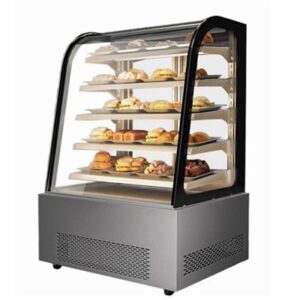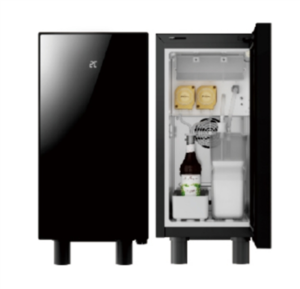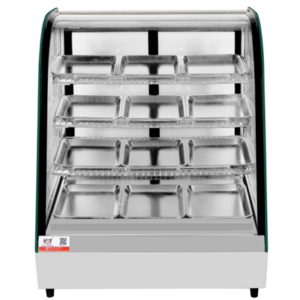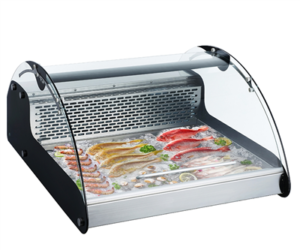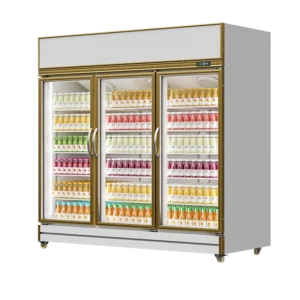
Proper installation and precise adjustment of industrial freezers are critical for ensuring energy efficiency, compliance with international standards, and long-term operational reliability. Tailored for importers, distributors, supermarkets, and small retailers, this guide outlines best practices for deploying industrial refrigeration systems—from site preparation to post-installation optimization—ensuring seamless integration into commercial workflows.
1. Pre-Installation Planning
A. Site Requirements
- Space Optimization: Ensure adequate clearance (≥30 cm) around the unit for airflow and maintenance access. Vertical stacking designs (e.g., multi-tiered blast chillers) maximize storage in compact spaces.
- Electrical Compatibility: Verify voltage (e.g., 220V/50Hz for EU, 120V/60Hz for North America) and install surge protectors to safeguard compressors.
- Heat Source Avoidance: Position freezers away from ovens or boilers to prevent thermal interference.
B. Material and Design Selection
- Eco-Friendly Refrigerants: Opt for R404A or R448A to comply with EU F-gas regulations and reduce carbon footprints.
- Modular Systems: Choose units with adjustable shelving and sliding doors for flexible inventory layouts.
2. Step-by-Step Installation Process
A. Assembly and Calibration
- Component Installation: Secure condenser coils, evaporators, and compressors using anti-vibration mounts to minimize noise.
- Insulation Checks: Validate vacuum-insulated panels (VIPs) for gaps to prevent energy leakage.
- IoT Integration: Connect temperature and humidity sensors for real-time monitoring via centralized control systems.
B. Compliance Testing
- Safety Certifications: Confirm adherence to regional standards (e.g., UL 471 in the U.S., CE Marking in the EU).
- Leak Detection: Use gas sniffers to verify airtight seals in refrigerant lines.
3. Post-Installation Adjustment and Optimization
A. Temperature and Humidity Calibration
- Thermal Cycling Tests: Simulate load fluctuations to fine-tune defrost cycles and compressor output.
- Humidity Control: Adjust settings to ±5% RH accuracy for sensitive goods like pharmaceuticals.
B. Energy Efficiency Tuning
- Inverter Compressors: Optimize frequency ranges (20–90 Hz) to reduce energy use by 30% during partial loads.
- Smart Defrosting: Implement hot-gas defrosting systems (e.g., Gree’s integrated units) to cut defrost time by 82% and energy costs by 50%.
4. Maintenance Strategies for Longevity
- Routine Inspections: Clean condenser coils quarterly to prevent dust buildup, which can increase energy consumption by 15%.
- Seal Integrity Checks: Test door gaskets monthly using the “dollar bill method” to ensure airtight closure.
- Predictive Maintenance: Leverage IoT alerts for early detection of compressor wear or refrigerant leaks.
5. Regional Compliance Considerations
| Region | Key Standards | Implementation Tips |
|---|---|---|
| EU | EN 60335-2-89, Ecodesign 2025 | Use R290 refrigerants and VIP insulation. |
| North America | UL 471, ENERGY STAR® v7.0 | Install ADA-compatible units for accessibility. |
| Asia-Pacific | CCC (China), MEPS (Australia) | Prioritize corrosion-resistant aluminum frames. |
Case Study: Gree’s Integrated Full DC Inverter Freezers
Gree’s refrigeration units exemplify efficient installation and adjustment:
- Quick Deployment: Pre-assembled components reduce on-site setup time by 40%.
- Precision Control: ±0.5°C temperature stability ensures compliance with food safety protocols.
- Energy Savings: DC inverter motors achieve 30% annual energy reduction in Southeast Asian markets.
Why Partner with Us?
We provide:
✅ Globally Certified Solutions: Compliance with UL, CE, CCC, and MEPS standards.
✅ Customization: Voltage adjustments, multilingual manuals, and IoT integration.
✅ Bulk Order Support: Competitive pricing for importers and wholesalers.