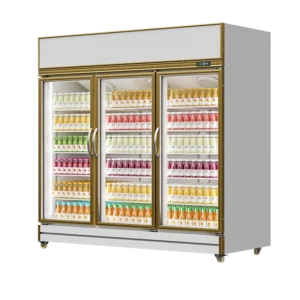
Condensation in freezers is a common issue that affects efficiency and food safety. Understanding why it happens and how to prevent it can save energy and extend appliance life.
Why Condensation Forms in Freezers
- Humid Air Entry
- Every time the freezer door opens, warm, moist air enters and cools rapidly, forming water droplets on cold surfaces.
- In summer, higher ambient humidity worsens this effect.
- Faulty Door Seals
- Worn or damaged gaskets allow continuous air exchange, increasing internal humidity.
- Temperature Fluctuations
- Frequent power outages or incorrect thermostat settings () cause partial thawing and refreezing, creating ice buildup.
- Food Moisture Release
- Uncovered foods (e.g., fresh produce) release vapor that condenses on walls.
How to Prevent Freezer Condensation
- Check Door Seals
- Test with the dollar bill method: Close it on a bill; if it slips out easily, replace the seal.
- Limit Door Openings
- Organize items to reduce search time. Use transparent bins for visibility.
- Defrost Regularly
- Manual defrost when frost exceeds 0.5 cm to maintain efficiency.
- Use Moisture Absorbers
- Silica gel packs or baking soda reduce humidity.
- Pre-Cool Hot Foods
- Let dishes reach room temperature before storing to minimize vapor release.
Pro Tip: For garages or humid areas, use a dehumidifier nearby to control ambient moisture.